There are many heart-warming experiences of interacting with animals in Bali. Cats sleeping under the sun, dogs playing around little stores, or even monkeys peeking at you from afar are common sights in Bali. These experiences may be exciting and memorable.
However, it is important to remember that caring for animals requires us to know how to protect ourselves from harm as well. This guide will take you step by step through understanding rabies in Bali, all in a friendly and caring way, so you can enjoy every moment while staying protected.
What Is Rabies?
Rabies is a viral disease that affects the brain and nervous system of mammals, including humans, dogs, cats, and monkeys. Below is the significance of this disease:
- It is transmitted mainly through bites and scratches from rabid animals
- Transmission is through saliva which enters the body
- When symptoms occur, it is nearly impossible to survive from the disease
- On the bright side, this disease is one hundred percent preventable
- Dogs are its primary hosts, although other animals may carry it too
Think of rabies as something serious but manageable. With awareness and quick action, it can be prevented completely.
Is Rabies a Risk in Bali?
Yes, there are rabies cases in Bali, but there are also many ongoing efforts to reduce the risk for both locals and tourists. The main source of transmission is stray dogs, which is why vaccination campaigns are regularly carried out across the island. In many areas, local communities and animal rescue groups also help care for and monitor stray animals, creating a safer environment for everyone.
The risk tends to be higher in rural or less developed areas, where stray animal populations are more common. However, it is important to remember that most travelers visit Bali without experiencing any issues at all. Staying aware and cautious is enough to keep you safe, so there is no need to feel anxious while enjoying your time on the island.
How Rabies Spreads

Rabies is transmitted by direct contact with saliva of infected animals. Knowing this information will help you behave safely and responsibly when interacting with animals. The transmission can occur by means of:
- Bites inflicted by an infected animal
- Scratches which cause breaks in the skin
- Infiltration of saliva into an open wound or cut
- Touching sensitive spots such as eyes or mouth
- Rarely via indirect contact
It is essential to know that the mere presence of an animal or touch on the animal’s fur does not transmit rabies.
Symptoms of Rabies
There are no immediate symptoms associated with rabies, hence the need for prompt action whenever there is a bite or scratch injury.
In Humans
Initial symptoms of rabies in human may appear to be those of a flu-like illness, such as:
- High fever and headache
- Numbness or a prickly sensation around the bite wound
- Irritability and restlessness
- Difficulty swallowing or hydrophobia
Later on, as the illness progresses, the neurological system begins to deteriorate significantly.
In Animals
Abnormal behavior may be exhibited by animals, such as:
- Increased aggression or fearfulness
- An excess of saliva production
- Difficulty moving about or weakness
- Unexpected changes in temperament
When an animal behaves in an unusual manner, the most considerate response is to leave it alone.
What to Do If You Are Bitten or Scratched
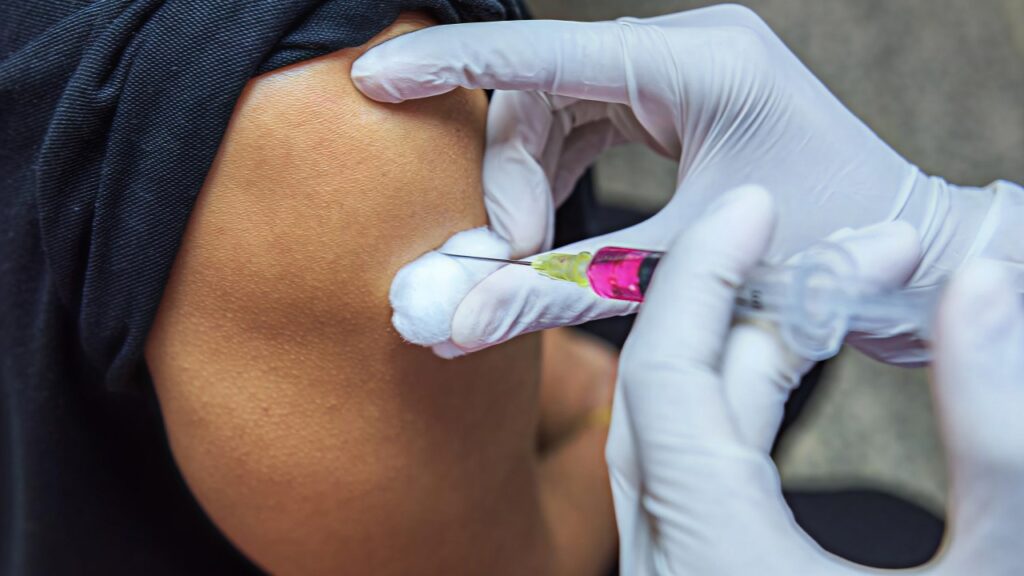
If this occurs, try to stay calm and respond as quickly as possible. The first minutes are crucial to prevent any potential infection. What you should do in this case:
- Wash the wounded site thoroughly with soap and water for at least 15 minutes. This is crucial since it helps to eliminate the virus from the surface of the skin.
- Clean the wounded area softly, but not harshly as it can harm the skin.
- Apply antiseptic on the wound site to protect the wounded.
- Visit a nearby clinic or hospital immediately. Don’t delay yourself even if the wound seems insignificant to you.
- Follow the doctor’s instructions for post exposure vaccination. Treatment is highly effective when given early
- Don’t wait for the symptoms to develop. Rabies is highly complicated to treat after the appearance of its symptoms.
Even the tiniest wound should not be neglected. It is better to get an examination sooner rather than later.
Rabies Vaccination in Bali
Getting vaccinated against rabies is your safest protection, and thankfully, it is easy to access in Bali. You can choose a pre exposure vaccine for added protection before any interaction with animals, or a post exposure vaccine after a bite or scratch. The treatment is highly effective when done early, and usually involves a few doses over several days. Medical staff in Bali are experienced, so you will be guided clearly through the process.
If you plan to get vaccinated in Bali, here is a simple guide:
- Go to a hospital or clinic (international clinics are a good option)
- Tell the doctor if it is pre or post exposure
- Get your first dose immediately
- Follow the vaccination schedule for the next doses
- Keep your vaccination record safe
For animal lovers, a pre-exposure vaccine can help you feel more relaxed while enjoying time around animals.
How to Prevent Rabies in Bali
Prevention does not mean not coming into contact with animals at all; it means doing so safely. Consider these helpful pointers:
- Do not touch any stray animals that may seem friendly and harmless.
- Allow the animal to come to you, be vigilant at all times.
- Do not disturb the animal while it is feeding, sleeping, or taking care of its offspring.
- Do not feed or get close to monkeys.
- Maintain a safe distance of love.
Loving animals may sometimes mean respecting their space.
Rabies Risk for Pet Owners
While visiting Bali, especially if you are residing there with your pet, ensuring its safety should also be considered.
- Ensure that your pet’s vaccination for rabies is always up to date
- Prevent them from wandering freely outdoors
- Be mindful of their encounters with other stray animals
- Identify a reliable local veterinarian and keep their information on hand
- Keep your pet’s vaccination certificates readily available
A protected pet is a happy pet, and it allows you to relax and enjoy your time together.
Common Myths About Rabies
Here are some misconceptions that should be clarified about rabies:
- All dogs are not infected with rabies. In fact, most of them are perfectly fine and well looked after
- You cannot diagnose whether an animal is infected with rabies by merely looking at it
- Rabies can be avoided if it is treated early on
- Indoor animals also require protection from rabies when exposed to the outdoors
- Rabies infection cannot occur through simple contact such as stroking an animal’s coat
Understanding the facts helps you respond with care instead of fear.
FAQ
Is rabies common in Bali?
There is rabies in Bali, but it is under control through vaccinations and other activities.
What should I do if a dog bites me in Bali?
Wash the wound right away and seek medical care as soon as possible. Early treatment is very effective.
Is rabies fatal?
Absolutely, once the disease becomes active, it is 90% likely to be deadly. For that reason, timely action should be taken to prevent it.
Can I get vaccinated for rabies in Bali?
Vaccines against pre and post exposure to rabies can be found in clinics and hospitals all around Bali.
Is it safe to pet dogs in Bali?
The best option would be not to touch dogs that’s not seem friendly.
Final Thoughts
Loving pets in Bali can be such a wonderful thing. There are just so many heart-warming experiences waiting to happen, whether it’s seeing an animal lying quietly near you or even meeting one on the way that’s being playful.
It’s never about being safe and cutting off experiences like these. It’s always about being gentle, being observant, and being respectful. Choosing to protect yourself actually helps you to protect the creatures around you at the same time.