When pet parents see more hair than usual lying around the house on the floor, the couch, or even their clothes, it could be a sign that it is shedding season for your pet. Although this might come as an unpleasant surprise, it’s actually a very natural process. Pets need to shed to ensure that their fur is healthy and comfortable.
It’s just something that occurs naturally in most cases, and as long as proper care is applied, it can be managed easily while keeping your furry companion happy and healthy.
What Is Pet Shedding Season?
The shedding season of pets is defined as a natural phenomenon where pets get rid of old or extra hair.
This process has a lot of benefits for your pet because through shedding, the body allows enough space for growing new hair that will suit better the climatic conditions at the moment. Shedding is vital for the regulation of the body’s temperature and good coat condition.
Pets with thicker or double coats tend to shed more noticeably. In these cases, loose fur may appear around the home more often, especially during peak shedding periods.
When Does Shedding Season Happen?
For most parts of the world, the shedding process usually occurs during transition periods, particularly in the spring and autumn seasons.
In springtime, most domesticated animals start to shed their winter coats as preparation for warmer days ahead. Meanwhile, in autumn, pets experience hair loss as they grow thicker coats to cope with colder weather.
However, in places with warm weather all year round, such as Bali, the shedding process can happen anytime. Due to consistent temperatures and daylight, animals may not experience the typical seasonal shedding cycle seen in colder regions.
Indoor pets are also expected to shed more consistently due to climate controlled environments, including air conditioning, artificial lighting, and stable indoor temperatures. Certain breeds, especially those with double coats, are naturally heavy shedders regardless of weather conditions.
Why Do Pets Shed More During Certain Times?
There are several things that can determine how many hairs a pet sheds in a certain period of time. Such factors include:
- Change in seasons as your pet goes through winter and summer coats
- Regulation of body temperature to keep it comfortable in different environments
- Changes in hormonal levels depending on light exposure
- Physical traits that differ based on whether your pet has a double or single coat
- Health issues related to diet and overall well-being
Nutrition, as well as general health conditions, as they affect the coat’s growth
Signs Your Pet Is in Shedding Season
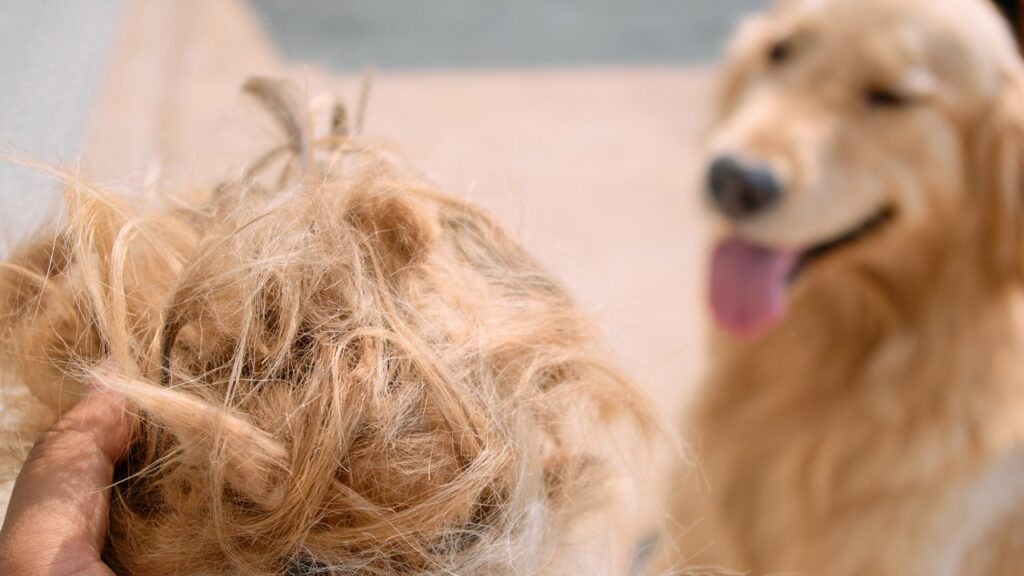
There are certain signs that a pet owner can identify during the time of shedding. Signs to look out for include:
- Hair found throughout the house
- A difference in the thickness or texture of the coat
- Fur appearing in furniture, bedsheets, or clothing
- Hair clumps while combing your pet
- No sign of skin irritation
Normal shedding should not involve signs of inflammation or irritation. If the pet’s skin appears healthy and it acts in a normal manner, then the shedding process is normal.
How to Manage Pet Shedding
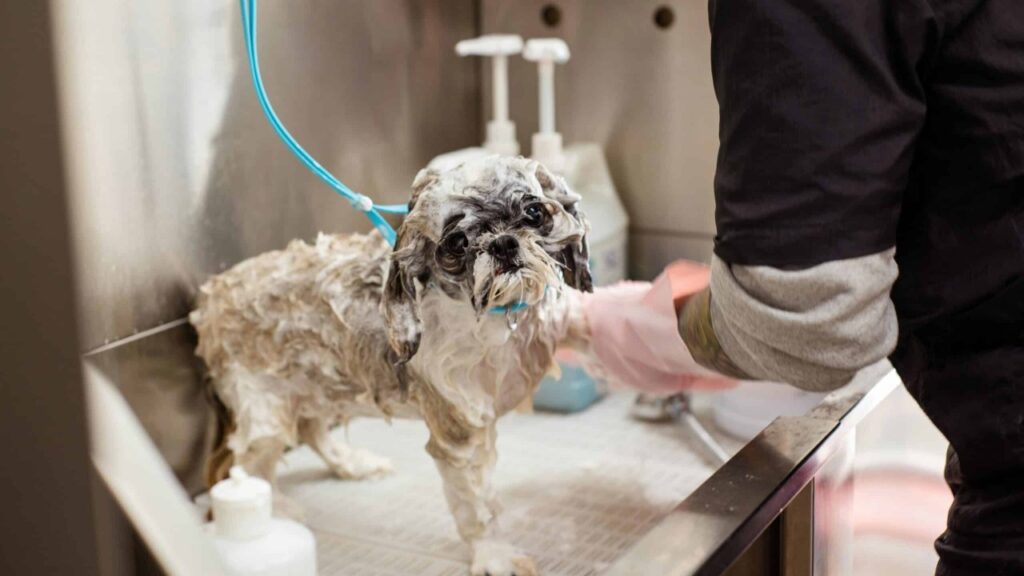
Although it is impossible to prevent shedding, there are steps that can be taken in order to reduce it through basic care techniques. Here are some helpful tips:
- Grooming your pet by brushing to collect loose fur which otherwise may spread in your house
- Using grooming tools suited to your pet’s coat type
- Bathing your pet in order to loosen loose hair from its body
- Keeping a balanced diet for proper coat and skin condition
- Vacuum your home frequently to keep fur under control
By keeping up with these simple habits, your home stays cleaner and your pet stays comfortable.
Grooming Tips to Handle Shedding Seasons
Proper grooming tips will assist you to handle shedding seasons successfully. They include:
- Grooming your pet at least once or twice weekly.
- Brushing your pet using specific brushes when handling pets that shed more.
- Avoid bathing your pet too much because it may cause irritation.
- Checking for any fleas, ticks, or other skin issues within the coat.
- Taking your pet for grooming sessions when it experiences difficult shedding.
Grooming is also considered a soothing activity for some pets.
What to Expect in Tropical Climates Like Bali
Shedding may be slightly different in tropical areas like Bali because of the constant warm weather. Pets will likely shed all year round rather than having dramatic seasonal changes in their shedding behavior. The heat and humidity may also influence the condition of the pet’s coat, making regular and proper grooming more important.
Fleas and ticks are more abundant in tropical regions, and they can affect coat health if left untreated. Because of this, grooming routines for tropical pets may differ from those used during specific seasonal shedding periods.
When Shedding Might Be a Problem
Though shedding is a natural phenomenon, there are circumstances when it may indicate a deeper problem. If you have a pet, you should be aware that such signs may point to a problem:
- Bald spots or uneven hair growing
When you find patches where the pet has lost its hair and it doesn’t grow anymore, this indicates the lack of regrowth which could be due to sensitive skin, parasites, and stress that cause discomfort for your pet. - Unusual Scratching or biting
Your pet’s excessive scratching or biting could indicate the presence of something unpleasant and bothering it, like itchiness. The reason why your pet is having such symptoms could be anything from allergies, parasites like fleas and ticks, or just simple skin irritation. - Rashes, inflammation, or flaking skin
Any abnormalities in your pet’s skin could mean problems like dry skin, irritation, or malnutrition.
Your pet may have various underlying conditions such as allergies, parasites, nutrition deficiencies, or other health problems causing these symptoms. In case you observe any of these issues, consider checking your pet’s skin and consulting your vet to ensure their wellbeing.
Tips to Reduce Shedding at Home
There are some effective and convenient methods to limit the amount of shed fur in the house while ensuring that your pet does not suffer from discomfort. Follow the tips below:
- Regular brushing
Regular brushing will get rid of all loose hairs and help avoid their further shedding all over the house. You may do this outside or in some chosen spots. - Provide high quality and balanced food
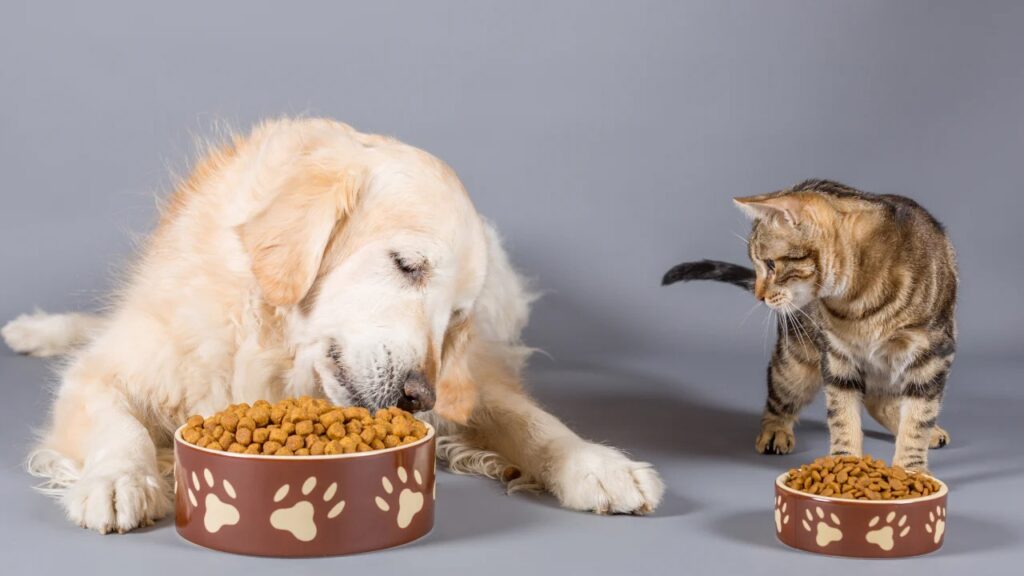
It should include foods containing omega fatty acids and other important ingredients required for maintaining skin health. Consistent dieting will be helpful as well. - Make sure your pet gets enough hydration
Make sure fresh water is always available. Proper hydration helps prevent dry skin, which can lead to more shedding. - Vacuum your furniture regularly
Vacuum floors, sofas and other places where fur accumulates and use air filters if necessary. This will help remove any airborne fur floating around the room. - Wash pet beds frequently
Pet fur tends to accumulate fast on beds. Wash bedding materials at least once a week, helps reduce loose hair and keeps your pet’s resting spot fresh.
By following these simple tips you will significantly improve the situation during the shedding season.
FAQ
When is shedding season for dogs and cats?
Pets tend to shed at times when seasons change like in spring and autumn. In tropical environments, however, they may shed on a continuous basis.
Is shedding normal for pets?
Yes, it is. It is a natural phenomenon that aids in maintaining a healthy coat for your pets as well as regulating body temperature.
How can I reduce my pet’s shedding?
Routine brushing, appropriate grooming kits, and a balanced diet will aid in minimizing the shedding of hair in your pets.
Do indoor pets shed less?
Pets that live indoors experience consistent shedding due to the constant temperatures and lighting within the environment.
When should shedding become a concern?
If shedding occurs too much, skin irritation, bare spots, and intense itching, then it is wise to seek medical advice from a veterinarian.
Knowing about the shedding season of pets could be very helpful for pet owners to cope with the extra shedding of hair from their pets in advance. Once the owner is aware and prepared for pet shedding, it will easily be able to manage pet’s shedding.